
How Often Should You Get Tested for STIs and What You Need to Know
- 2 days ago
- 9 min read
STIs are common, often treatable, and sometimes easy to miss. Many people have no symptoms at all, which means a person can feel completely well and still pass an infection on to someone else.
That is why testing matters. It is not a sign that something has gone wrong. It is a normal part of looking after sexual health, much like getting a skin check, a cervical screening test when due, or a blood pressure check.
This guide covers how often to test, which STIs are most common, where to go in Australia, what kinds of sex carry higher risk, and how emotional support can help after a diagnosis.
This article is general health information only. For personal advice, speak with a GP, sexual health nurse, pharmacist, or sexual health clinic.
How often should you get tested for STIs?
The right testing schedule depends on sexual activity, partners, symptoms, pregnancy status, and personal risk. A good rule is to test at least once a year if sexually active, and more often if risk is higher.
A doctor or sexual health nurse may suggest a different schedule, but these general patterns are a useful starting point.
Situation | Suggested testing pattern |
Sexually active with one ongoing partner and both have tested negative | Test when starting the relationship, then as advised if circumstances change |
New sexual partner | Test before sex without condoms or other barriers, or soon after starting a new relationship |
Multiple partners | Test every 3 to 6 months |
Men who have sex with men, especially with casual partners | Often every 3 months, especially if using PrEP or having condomless sex |
Using PrEP for HIV prevention | Usually every 3 months as part of PrEP care |
Sex work | Often every 3 months, or as advised by a clinician |
Symptoms or a partner has an STI | Test as soon as possible |
Pregnancy or planning pregnancy | Test early, and repeat if advised |
If there has been a recent exposure, testing too early may miss some infections. This is because different STIs have different “window periods”, the time between exposure and when a test can reliably detect infection.
For example, chlamydia and gonorrhoea may show up sooner than HIV or syphilis on standard tests. If a clinician thinks a test was done too early, they may recommend repeat testing a few weeks later.
Do not wait for symptoms. Symptoms are useful when they appear, but many STIs can be silent.
Common warning signs include:
Unusual discharge from the vagina, penis, or anus
Burning or pain when urinating
Pelvic or testicular pain
Bleeding after sex or between periods
Sores, blisters, lumps, or warts around the genitals, anus, or mouth
Itching, irritation, or pain during sex
A rash, fever, swollen glands, or feeling generally unwell after sexual contact
Some symptoms can have other causes, such as thrush, bacterial vaginosis, urinary tract infections, or skin irritation. Testing helps sort out what is actually going on.
Which STIs are the most common?
STIs vary by age group, location, sexual practices, and vaccination status. In Australia, several infections come up often in sexual health care.
Chlamydia
Chlamydia is one of the most commonly diagnosed bacterial STIs, especially among younger sexually active people. It can infect the cervix, urethra, rectum, and throat.
Many people have no symptoms. When symptoms appear, they may include discharge, pain when urinating, pelvic pain, or bleeding after sex.
Chlamydia is treated with antibiotics. If untreated, it can sometimes lead to pelvic inflammatory disease, ongoing pelvic pain, and fertility problems. Partners usually need testing and treatment too.
Gonorrhoea
Gonorrhoea is another bacterial STI. It can affect the genitals, rectum, and throat. Throat and rectal infections often have no symptoms.
Symptoms may include discharge, burning when urinating, anal pain, or pelvic pain. Gonorrhoea needs medical treatment because antibiotic resistance is a concern. A clinician may also arrange a follow-up test to make sure treatment worked.
Genital herpes
Genital herpes is caused by herpes simplex virus, usually HSV-1 or HSV-2. It spreads through skin-to-skin contact, including genital, anal, and oral sex.
Herpes can cause painful blisters or sores, but some people have mild symptoms or none at all. There is no cure that removes the virus from the body, but antiviral medicines can reduce outbreaks and lower the chance of passing it on.
A herpes diagnosis can feel emotionally heavy, but it is common and manageable.
HPV
Human papillomavirus, or HPV, is very common. Many sexually active people get it at some point. Most HPV infections clear naturally, but some types can cause genital warts and others can increase the risk of cancers, including cervical, anal, penile, vulval, vaginal, and throat cancers.
Australia has an HPV vaccination program, and cervical screening helps prevent cervical cancer by detecting HPV-related changes early. Condoms reduce risk but do not fully prevent HPV because it can spread through skin contact in areas not covered by a condom.
Syphilis
Syphilis is a bacterial STI that has increased in some parts of Australia and among some communities. It can cause a painless sore, rash, swollen glands, or flu-like symptoms, but it can also go unnoticed.
Syphilis is treatable with antibiotics. Untreated, it can cause serious health problems over time. Testing is especially important during pregnancy, because syphilis can affect the baby.
HIV
HIV is less common than chlamydia or HPV, but it is serious and important to test for. With modern treatment, people living with HIV can live long, healthy lives. Effective treatment can reduce the virus to an undetectable level, which prevents sexual transmission.
Prevention options include condoms, PrEP for people at higher risk, and PEP after a possible recent exposure. PEP must be started quickly, usually within 72 hours, so urgent medical advice matters.
Hepatitis B and hepatitis C
Hepatitis B can spread through sex and blood contact. Vaccination offers strong protection and is part of routine immunisation in Australia.
Hepatitis C usually spreads through blood-to-blood contact. Sexual transmission is less common, but risk can rise when there is blood, rough sex, anal sex, shared injecting equipment, or certain sexual networks.
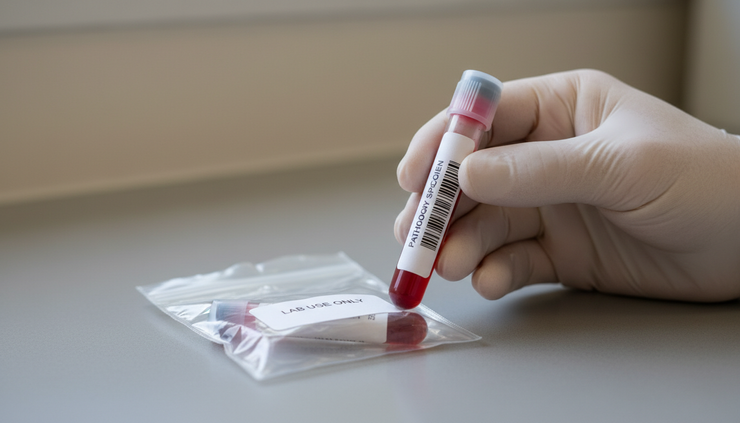
Where can you go to get tested for STIs?
Getting tested is usually straightforward. In many cases, STI testing involves a urine sample, a self-collected swab, a clinician-collected swab, and sometimes a blood test.
Where you go may depend on cost, privacy, location, symptoms, and what kind of care feels safest.
GP clinics
A GP can organise tests, explain results, prescribe treatment, and talk through contraception, PrEP, vaccination, and partner notification. Some clinics bulk bill eligible patients, while others charge a gap fee.
If privacy worries you, ask the receptionist how results are handled or request a doctor you feel comfortable with.
Sexual health clinics
Public sexual health clinics are a strong option, especially for people with symptoms, higher risk, complex questions, or privacy concerns. Many provide low-cost or free services, though availability varies by state and territory.
They often have staff who are used to discussing sexual health in a direct, respectful way.
Family planning and reproductive health services
Family planning services can help with STI tests, contraception, pregnancy planning, cervical screening, and sexual pain concerns. They can be a good option when STI concerns overlap with reproductive health.
Aboriginal Community Controlled Health Organisations
Aboriginal and Torres Strait Islander people may prefer care through an Aboriginal Community Controlled Health Organisation. These services can offer culturally safe sexual health support and broader health care.
LGBTQIA+ health services
Some areas have clinics or community health services with specific experience supporting LGBTQIA+ people. This can be helpful for people who want care that understands diverse bodies, partners, and sexual practices.
At-home and self-collection options
Some services offer home testing kits or self-collection options. These can be useful for privacy and convenience, but they are not ideal for every situation.
If there are symptoms, pain, sores, pregnancy, a known exposure, or concern about HIV exposure, in-person medical care is usually better.
What kinds of sex increase STI risk?
STI risk is about exposure, body fluids, skin contact, barriers, and testing patterns. It is not about whether someone “looks healthy” or whether a particular kind of person is risky.
Anyone can have an STI. Many people do not know they have one.
Condom-less vaginal sex
Vaginal sex without condoms can pass on chlamydia, gonorrhoea, syphilis, herpes, HPV, HIV, trichomoniasis, and hepatitis B.
Risk can increase when one or more partners have not tested recently, when there are multiple partners, or when there is bleeding or genital irritation.
Condom-less anal sex
Anal sex without condoms can carry a higher risk for some STIs, including HIV, because the lining of the rectum is delicate and can tear more easily. Chlamydia, gonorrhoea, syphilis, herpes, HPV, and hepatitis can also be passed through anal sex.
Using condoms and plenty of water-based or silicone-based lubricant can reduce friction and lower risk.
Oral sex
Oral sex can pass on STIs, even though many people think of it as low risk. Gonorrhoea, syphilis, herpes, HPV, and chlamydia can affect the throat, mouth, or genitals.
Condoms, dams, and avoiding oral sex when there are sores, ulcers, bleeding gums, or a sore throat after exposure can reduce risk.
Skin-to-skin genital contact
Some STIs do not require ejaculation or penetration. Herpes, HPV, and syphilis can spread through direct contact with affected skin or sores.
This is why condoms help but do not remove all risk. They only cover part of the skin that may be involved.
Shared sex toys
Sex toys can pass infections between partners or between body sites if they are not cleaned or covered with a new condom between uses.
A practical approach is to:
Wash toys according to the manufacturer’s instructions
Use condoms on insertable toys
Change condoms between partners or between anal and vaginal use
Avoid sharing toys if there are sores, bleeding, or irritation
Sex with multiple or new partners
Having more partners does not make someone careless or unhealthy, but it does increase the chance of exposure. Regular testing, condoms, clear communication, and vaccination can make a big difference.
Sex involving blood
Blood can increase the risk of HIV, hepatitis B, and hepatitis C transmission. This may include sex during menstruation, rough sex that causes tearing, fisting, or sharing injecting equipment during sexual activity.
Gloves, condoms, lubricant, and avoiding shared injecting equipment can reduce risk.
How to reduce risk without losing intimacy
Safer sex is not only about rules. It is about making sexual choices that match comfort, health, pleasure, and consent.
Useful options include:
Use condoms or dams
They reduce the risk of many STIs and can be part of relaxed, pleasurable sex.
Use lubricant
Lube reduces friction, which can lower tearing and discomfort, especially during anal sex or longer sex.
Get vaccinated
HPV and hepatitis B vaccines can prevent important infections. Ask a clinician if you are unsure about your vaccination history.
Talk before sex
A short, honest conversation about testing, condoms, PrEP, contraception, and boundaries can prevent confusion later.
Test regularly
Testing works best as a routine, not a reaction to fear.
Use PrEP if HIV risk is higher
PrEP is a medication that greatly reduces the risk of HIV when taken as prescribed. A GP or sexual health clinic can advise whether it fits.
Seek PEP after possible HIV exposure
PEP is emergency medication after a possible HIV exposure. It needs to start quickly, so contact a sexual health clinic, emergency department, or health advice line as soon as possible.
What happens if your test is positive?
A positive result can bring up shock, shame, anger, fear, or worry about relationships. Those feelings are common, but a diagnosis is not a moral judgement. It is health information.
For many STIs, treatment is simple. Chlamydia, gonorrhoea, syphilis, and trichomoniasis are treated with antibiotics. Herpes, HIV, hepatitis B, and HPV need different kinds of care, monitoring, or management.
After a positive result, a clinician may talk through:
Treatment and follow-up testing
Whether to avoid sex for a period of time
Which partners need to know
How partner notification can happen
Whether other tests are needed
Vaccination, condoms, PrEP, or contraception
Partner notification can feel awkward, but clinics can often help. In some cases, anonymous notification tools may be available. The aim is not blame. The aim is to help people get tested and treated.
How sex therapy can support you after an STI diagnosis
An STI diagnosis can affect more than the body. It can touch identity, trust, desire, confidence, and the way someone feels about being touched.
Sex therapy can support people and couples after a diagnosis by creating a safe place to talk about the parts that medical appointments may not cover.
This support may include:
Working through shame, fear, or stigma
Rebuilding sexual confidence after a diagnosis
Practising how to tell current or future partners
Navigating changes in desire or avoidance of sex
Supporting couples after trust has been shaken
Finding ways to enjoy intimacy while following medical advice
Talking about condoms, barriers, PrEP, or medication without panic
A therapist does not replace medical care. They do not diagnose or treat infections. Their role is to support the emotional, relational, and sexual impact of what has happened.
This can be especially helpful for people with herpes, HIV, HPV-related changes, or repeated STI anxiety, where the emotional burden can feel bigger than the medical facts.
What to remember about STI testing
Good sexual health care is practical, not shameful. If sex is part of life, testing can be part of life too.
For many people, once a year is a sensible baseline. Testing every 3 to 6 months is often better when there are multiple partners, new partners, condomless sex, PrEP use, sex work, or higher HIV risk. Test sooner if symptoms appear or a partner tells you they have an STI.
The main things to take with you are simple:
Many STIs have no symptoms
Common STIs are often treatable or manageable
Testing is available through GPs, sexual health clinics, community services, and some home options
Anal, vaginal, oral, skin-to-skin contact, and shared toys can all carry risk
Support is available for both the medical and emotional sides of a diagnosis
A test result does not define anyone. It gives clear information, and clear information makes care, treatment, communication, and better sex possible.


Comments